
AND INSPIRED RADICAL ACTION
Curriculum Specifications
- Courses: General Social Studies
- Educational Level: High School
- Reading Level: 10th Grade
- Reading Time: 32 minutes, divided into sections
- The King They Will not Teach
- Racism is Systemic
- Capitalism is Bad
- Non-Violent Protest is not the same as Peaceful Protest
- King was Widely Hated and Feared
- Conclusion: King was Complicated
The King They Will Not Teach
Today is Martin Luther King Day. Teachers all around the country are likely to have set aside at least part of their curriculum to spend some time talking about this amazing man and the principles for which he stood and for which he is known. It is as it should be, for MLK was a giant personality. Of all the epic civil rights and human rights leaders of his time, and there were quite a few, Dr. King stood out, his name becoming synonymous with the monumental and transformative cultural progress made in the interests of racial justice racial equity. His tireless struggle for racial justice, and his emphasis on non-violent protest were instrumental in pushing President Johnson and Congressional liberals in both parties to pass the historic Civil Rights Act and Voting Rights Act against conservative resistance in the mid 1960s. His philosophy, his discipline, his empathy, and his strategy continues to influence and challenge all of us today who struggle for equity and justice for all marginalized groups.
Dr. King is the icon. He is the standard by which all social activists dedicated to changing the world for the better are measured. His dream for a better world is universal among the exploited, marginalized, and victimized.
So, to a certain extent, it is understandable and appropriate that King merits singular recognition for his contribution to a more equitable and just society. It is for this reason that teachers all over the United States, especially social studies teachers, will set aside valuable instructional time to recognize Dr. King for his awe-inspiring contributions, and to mourn his tragic death at the hands of an assassin.
Unfortunately, many teachers will barely touch the surface of this great man’s “dream“. They will water down King’s message and his activism, centering their curriculum around a single sentence:
I have a dream that my four little children will one day live in a nation where they will not be judged by the color of their skin but by the content of their character.
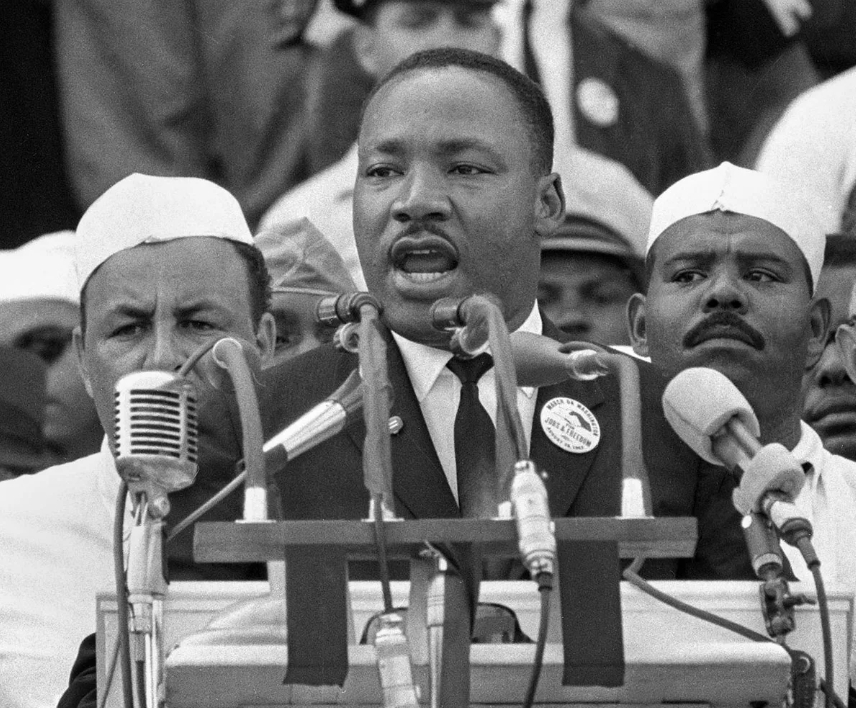
Now don’t get me wrong. It’s a great sentence. It does seem to distill everything that Dr. Martin Luther King Jr. stood for throughout his activism. If I’m a teacher with limited time to cover my curriculum, and I have to try to teach the life of such a complex man as Dr. King, I might be inclined to use this very sentence upon which to ground my lesson.
Most importantly, it’s a sentence on which everybody can agree. It’s safe. If I’m a teacher who is concerned about a parent complaining about my lessons, especially teachers who live in states politically akin to the Free State of Florida, this sentence is a curriculum life saver.
Unfortunately, to distill Dr. King’s mission into this one sentence, from one speech, from one moment in time only serves to distort the very dream that this great man was describing. Doing so does not provide students with the appropriate context and nuance that drove King’s activism. It is not, in the end, an accurate portrayal of history.
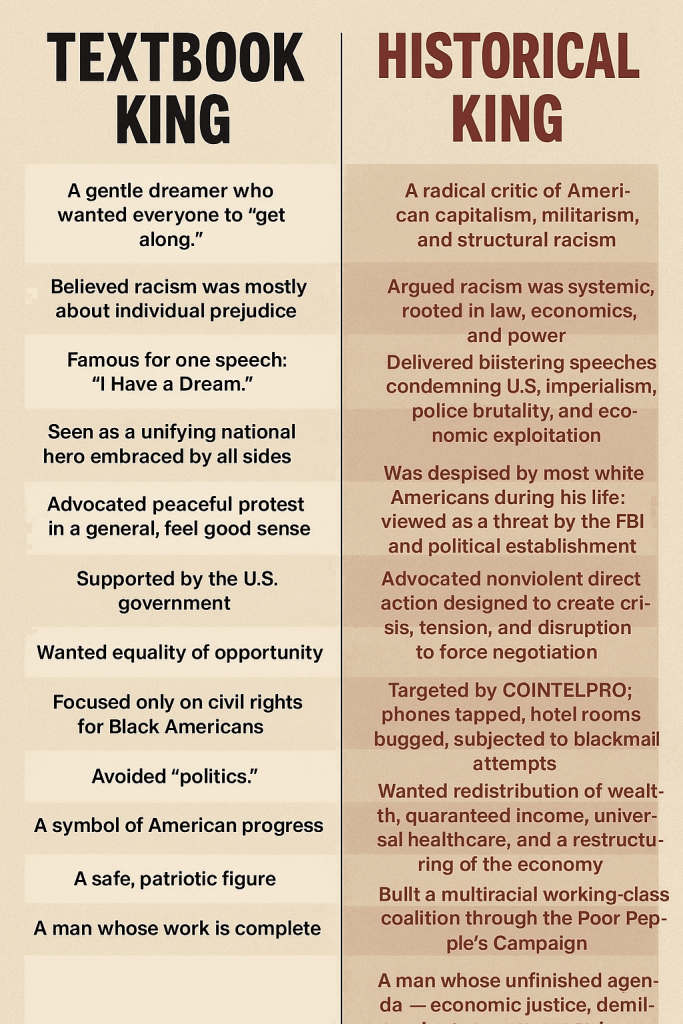
On the other hand, this kind of watered-down iconography is often mindlessly praised and will get a teacher that positive recognition they so deserve. Let’s do a collage of Martin Luther King’s dream and put it on the wall. Presenting Martin Luther King as this guy who wanted nothing more than to be judged by the content of his character and led his followers in “peaceful” demonstrations to plead with the state and encourage us all to just forget color does injustice to Dr. King’s larger mission. But that colorful collage will get you that all important click next to the “Highly Effective” box on your annual evaluation.
The problem is, it’s not even close to the whole story. Martin Luther King Jr. didn’t just offer us the picture of a dream. This dream was not just an aspiration. Rather, it was a critique of the larger world that hated people like him, and his children. That’s why it was a dream. MLK had a larger critique of American society, a picture of the racist monster against which he had pitted himself and those who were inspired by him. This critique was much more comprehensive than many teachers are willing to cover, and teachers in red state are afraid to expose.
In fact, Dr. Martin Luther King Jr’s dream is predicated on his understanding that American society is intrinsically racist. The problem, according to King, was not a bunch of racist individuals running around being racist. King acknowledged that racism was embedded in American culture. Furthermore, it is entrenched in America’s embrace of Capitalism and Militarism.
King set himself and led his movement to obstruct America’s systematic racism and corrupt and exploitative capitalist machine by disrupting its very processes. His tactics, though non-violent, were designed to confront racism and capitalism at its source, to reveal it for the violent and oppressive system that it was. He was not passive, and did not pull punches. In fact, two sentences after his famous statement about “character” he describes the Governor of Alabama, the future presidential contender George Wallace, as a “vicious racist, with…his lips dripping with the words of interposition and nullification.”
He was not trying to make friends of the bigots and hatemongers. He called out bigotry to its face. For this reason, he was largely hated in his own time.
Below is a glimpse at the Rev. Dr. Martin Luther King Jr’s deeper philosophy about race and racism and how it is entrenched in American culture and social systems. For teachers who do not have the time in their busy schedules to dig this deep, or those who are afraid to do so because…well, you know…this lesson can serve as a gateway for your students to explore the true depth of this complex thinker and activist.
Racism Is Systemic
Here in the Free State of Florida, it is illegal to teach “the theory that racism is not merely the product of prejudice, but that racism is embedded in American society and its legal systems in order to uphold the supremacy of white persons.” This is a bit of a problem when it comes to teaching factual and accurate history, which is also required by Florida Law. This is no less true when we teach about Dr. Martin Luther King Jr, because he believed exactly the opposite.
Dr. King understood that racism in the United States is not perpetuated by a bunch of racist people doing what racists do. We can look at this sociologically.1 A person’s beliefs about another person or groups inferiority is called prejudice. When that person acts on those beliefs, that’s called discrimination. At an individual level, this is how we describe derogatory feelings and actions against others. Prejudice and discrimination as individual decisions is not necessarily racism. It becomes racism when it is consistently reproduced by cultural norms and values, through established social structures. This is what we refer to as structural or systemic racism. Contrary to what some politicians and their consequent legislation says, structural racism is a thing. In fact, it’s well documented. That it is illegal to teach in some states is a political decision, not a decision based on the best research. It’s also ironic proof that structural racism continues to exist.
Regardless, Dr. King understood racism in terms of American Culture and American social systems. They were underlying themes of a great deal of his work. Let’s just take one simple example that can be used in any lesson on Martin Luther King Jr. No exploration of MLK would be complete without some reference to his Letter from A Birmingham Jail.
Right from the top, the Letter from a Birmingham Jail is in and of itself a direct result of systemic racism. King was in Birmingham protesting its deep segregation. All over the country, black people were barred from using certain public facilities, housing, and schools. They were kept out of certain jobs. Often were excluded from getting loans or moving into certain neighborhoods. This was called segregation, and Birmingham was one of the most segregated cities in the country.
Furthermore, Birmingham’s police commissioner, Bull Connor, was one of the most violent defenders of segregation. This is the definition of structural racism. With the prospect of facing a civil rights protest led by Dr. King, the city got a court injunction against demonstrations, marches, and sit-ins. In violating this injunction, Dr. King was put in jail where he wrote one of his most famous essays.
It is impossible to teach A Letter from a Birmingham Jail without referencing systemic racism. Laws are, after all, systemic. Specifically, they are formal norms. We assume that laws are created in the name of justice. Justice is premised on a society’s values, another cultural and structural element. King points out that some are so created. Unfortunately, according to King, “An unjust law is a code inflicted upon a minority which that minority had no part in enacting…”
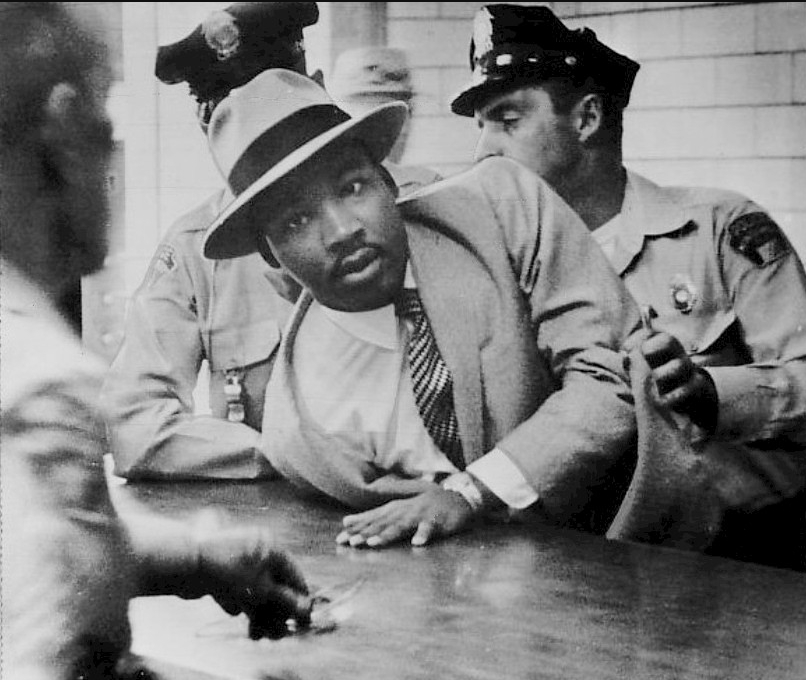
Because of these unjust laws, embodied in Birmingham’s culture and legal system, those in the minority had to step forward and demand change. According to King, “We know through painful experience that freedom is never voluntarily given by the oppressor; it must be demanded by the oppressed.”
This protest was that demand. “It is unfortunate that demonstrations are taking place in Birmingham, but it is even more unfortunate that the city’s white power structure left the Negro community with no alternative.”
King then goes on to criticize those who insist on following the law for the sake of maintaining order. Order, in this case, is that imposed by the social system. When that system imposes burdens on individuals based on the color of their skin, it is premised on injustice. The laws sustaining that order are unjust. Any attempt to enforce such laws is also an injustice. Yet King goes even further. It is not only one’s right to disobey unjust laws, but, “One has a moral responsibility to disobey unjust laws. I would agree with St. Augustine that ‘an unjust law is no law at all.'”
I wonder why representatives of the state would rather teachers not teach this particular sentence, but rather teach that other sentence instead. This is the much more interesting sentence.
Yeah, but that stuff doesn’t happen anymore. We made it illegal.
You’re right about the most egregious stuff. Thanks to Dr. King and his supporters, and many, many others, the laws have been changed. And yet we still have laws that make it illegal for people to talk about this stuff as systemic…when it clearly is systemic. Is that not an example of structural racism? If people are not allowed access to a powerful analytical tool for understanding how prejudice and discrimination is reproduced year after year despite laws to the contrary, isn’t that the same kind of law as one that says certain people can’t live where others live, or drink where others drink? Maybe it’s not as “in your face,” but it is a law imposed by those in power on a minority that didn’t have a say. An unjust law.2
There is also an important distinction between de jure laws and de facto laws. De jure laws are those that are written into statute and followed because there is legal recourse to enforce the laws. De facto laws are those that are not written down, but everyone seems to know what they are and accept them. There is a lot of pressure on people to follow these laws. You might understand these laws in terms of peer pressure.
What this means is that even though the laws don’t specifically tell people to discriminate against minorities, socially and culturally, we’ve been discriminating against minorities for so long that it kinda goes without saying. It’s these de facto rules that continue to linger. Many of these de facto “laws” continue to cause problems.
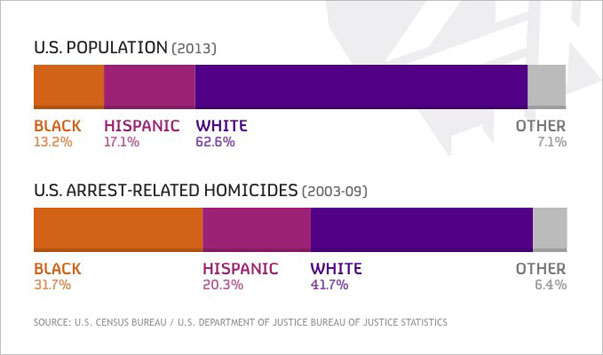
A few years ago a black man named George Floyd was stopped by police for passing a counterfeit bill. He was arrested and placed in the squad car but became agitated and resisted the officers. He was yanked from the vehicle, in cuffs, placed on the ground, and a police officer knelt on his neck for nine minutes despite Floyd claiming he could not breath. Floyd died under that officer’s knee. This created a massive public outcry and protest movement. Floyd was just one of many black men to die in police custody under suspicious circumstances. Data reveals that black men are more than two and half times more likely to be killed during an arrest than one would expect based on their population. Many studies reveal the systemic nature of racism in U.S. policing that continues to this day, including a federal investigation of Ferguson, Missouri completed before Floyd’s death.
Now critics have argued that black suspects are disproportionately killed because they are disproportionately more likely to resist arrest.3 Research, however, does not bear this out. Studies show that black drivers are more likely to be stopped and searched than white drivers even though white drivers are more likely to actually be found with contraband. Black men are perceived to be larger, more muscular, and more threatening than similar sized white men.4 Black defendants are more likely to be found guilty, receive longer sentences, and remain locked up for a greater percentage of their sentences than white defendants.
And these patterns emerge in housing, wealth holdings, even health care. Black Americans are more likely to be housed near polluting industries. They are more likely to be denied mortgages, and are often siphoned into riskier variable rate loans even when they qualify for fixed rate prime mortgages. Black women are more likely to die as a result of childbirth. They are more likely to be perceived as having higher pain tolerance than white patients and are often under-diagnosed when it comes to pain management in hospitals.
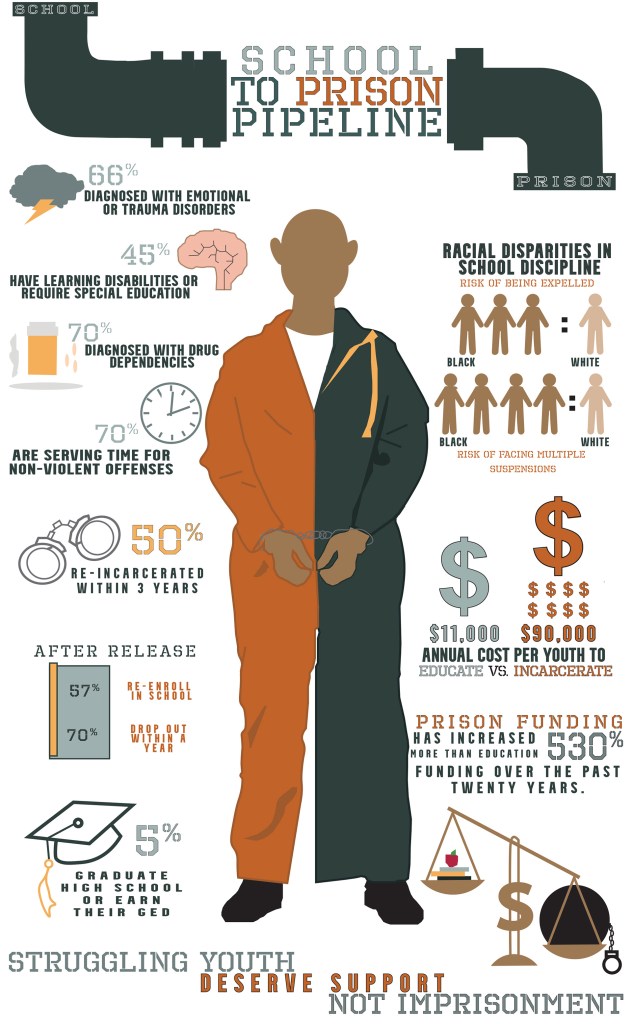
In schools, black students are more likely to be identified as disobedient for the same behaviors that are dismissed in white students. They are thus subject to greater discipline, and are more likely to be suspended. Now, with schools being patrolled by police officers called SROs (School Resource Officers), black students are more likely to find themselves in the justice and corrections system for in-school infractions. Civil Rights Activists refer to this as the School to Prison Pipeline.
I could go on and on. Yes, many things have improved for black people and other minorities in the United States, however, there is no metric to suggest that we’ve reached racial and ethnic equity. We still have significant discrepancies, and these inequalities are more than just inconvenient. In too many cases, they are a matter of life and death.
But better is better. Why can’t we just let this stuff straighten itself out?
This was, in fact, a big part of Dr. King’s dissent in Letter from a Birmingham Jail. He was very critical of those trying to convince him that “now is not the time.” “Just let things progress.” “Things will get better on their own.” He was especially critical when it came to those whom he labeled, “white moderates” who were sympathetic to civil rights, but believed direct confrontation through protests and civil disobedience was an unnecessary violation of civic order. King declared, “The Negro’s great stumbling block…is not the White Citizens Counciler or the Ku Klux Klanner, but the white moderate, who is more devoted to ‘order’ than to justice.” King insisted that if systemic racism were to be confronted, it must be done in such a way that upsets the very law and order that condones it.
Capitalism is Bad
[Note: Play some ominous music while reading the next sentence. O Fortuna will do nicely!]
Dr. Martin Luther King Jr. was a socialist.
There. It’s been said. In fact, it was said by none other than Dr. King himself in a personal letter to his wife. “I imagine you already know that I am much more socialistic in my economic theory than capitalistic.”
MLK believed that racism, segregation, and capitalism were inextricably linked. “The evils of capitalism are as real as the evils of militarism and the evils of racism.” He saw racism as just one feature of capitalism overlapping with poverty and war. “The problem of racism, the problem of economic exploitation, and the problem of war are all tied together. These are the triple evils that are interrelated.”5
At the same time, King rejected the kind of totalitarian communism exemplified by the USSR. He said that, “Communism forgets that life is individual. Capitalism forgets that life is social. And the kingdom of brotherhood is found neither in the thesis of communism nor the antithesis of capitalism.” In essence, King believed in Democratic Socialism.6
As a Democratic Socialist, King believed that the United States’ economy needed to be restructured, not just in the interests of poor black people, but for all people. King advocated for a massive redistribution of wealth, especially through a system that we now call a Universal Basic Income. “The solution to poverty is to abolish it directly by a now widely discussed measure: The guaranteed income.”7 He championed universal healthcare, guaranteed employment, labor protections, public investment in housing and education. He took these stands because he recognized that poverty was not a character flaw of certain individuals, but rather a natural consequence of an economic system, capitalism, designed by the few to exploit the many.
Furthermore, King recognized that capitalism wasn’t just sustained by poverty and racism, but by militarism as well. He looked at all the bold reforms that were being legislated by liberals in both parties under the leadership of President Lyndon Johnson. They were promising down payments in long overdue investment in the American Dream for all. He then stood witness as Johnson’s Great Society was whittled away by the Pentagon Brass in their vainglorious war in Vietnam. Here was a war that promised a blank check to defense contractors while at the same time being fought by the sons of poor and working-class citizens, many of whom were coming home in bags. A classic example of what King referred to as “socialism for the rich and rugged individualism for the poor.”
This critique of capitalism and embrace of democratic socialism culminated in King’s last major movement, the Poor People’s Campaign.8 Dr. King looked at all of the great accomplishments toward racial justice put into effect during more than a decade of activism, but recognized that though the laws had changed, the material conditions continued to oppress. “What good is it to have the right to sit at a lunch counter if you can’t afford to buy a hamburger?” King also understood that black poverty was bound up with poverty in general. It was not enough to pull black people out of poverty. Poverty had to be ended for all people.
The Poor People’s Campaign was an explicitly multicultural endeavor, “the beginning of a new cooperation… by poor people of all colors and backgrounds to assert and win their right to a decent life”. The goal was to confront poverty head on and to force politicians to address the needs of the poor through radical reform. “We must recognize that we can’t solve our problem now until there is a radical redistribution of economic and political power…. This means a revolution of values and other things. We must see now that the evils of racism, economic exploitation, and militarism are all tied together…”
Unfortunately, Dr. King did not live to see this movement come to fruition. And we all suffer as a result.
Non-Violent Protest is not the same as Peaceful Protest
When we think of Martin Luther King Jr, we often conjure images of the great pastor leading peaceful sit-ins, passively demonstrating in the interests of racial equality. King stood for peace, and order, and respectful engagement–conservative values.
This is a bit of stretch. Dr. King drew from Henry David Thoreau and Mahatma Ghandhi in his embrace of non-violent protest. But non-violence does not mean “peaceful.” It doesn’t even really mean non-violent. Many of the protests King was involved with became very violent.
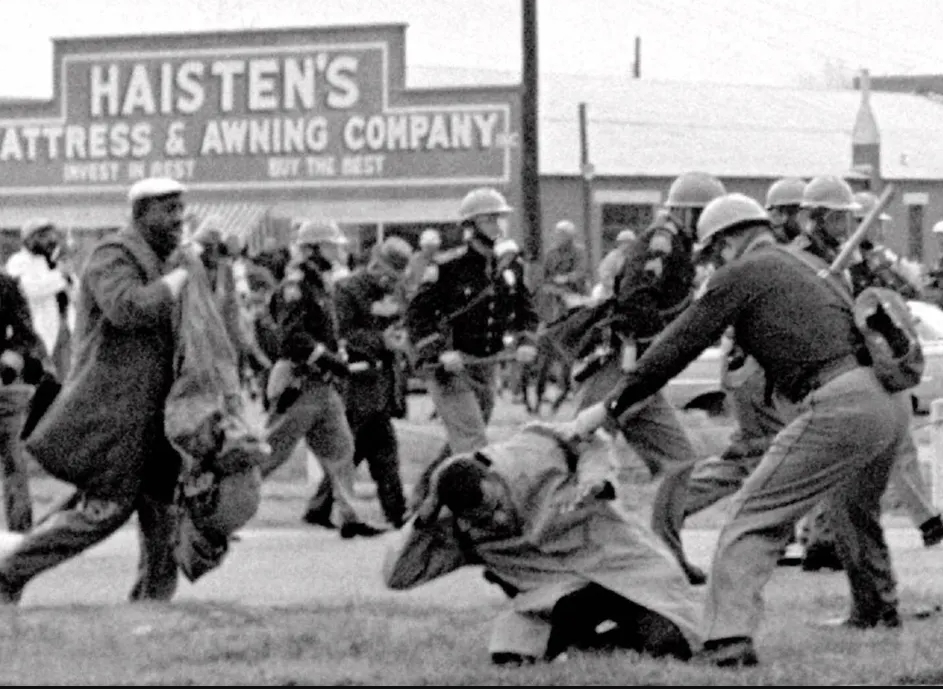
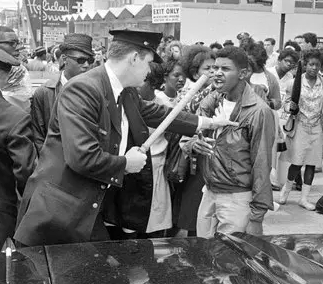
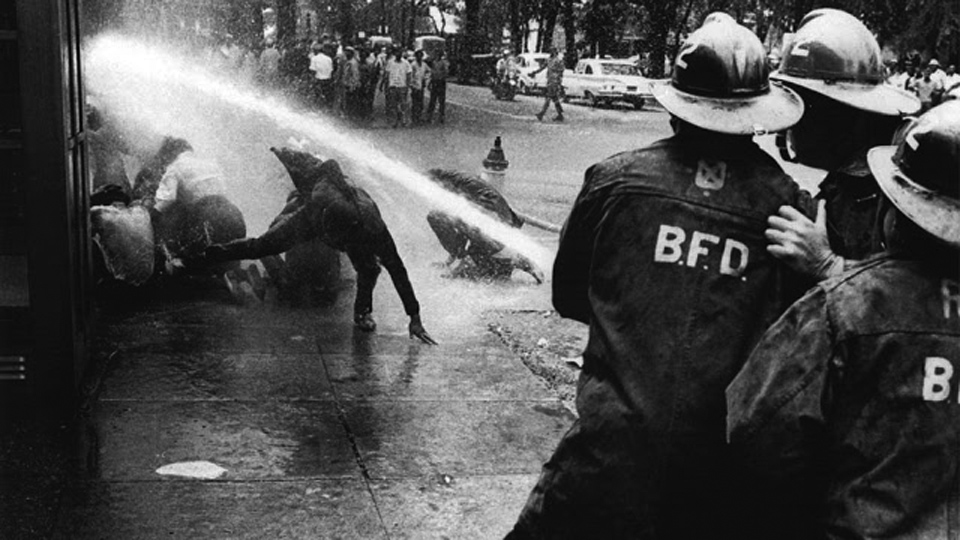
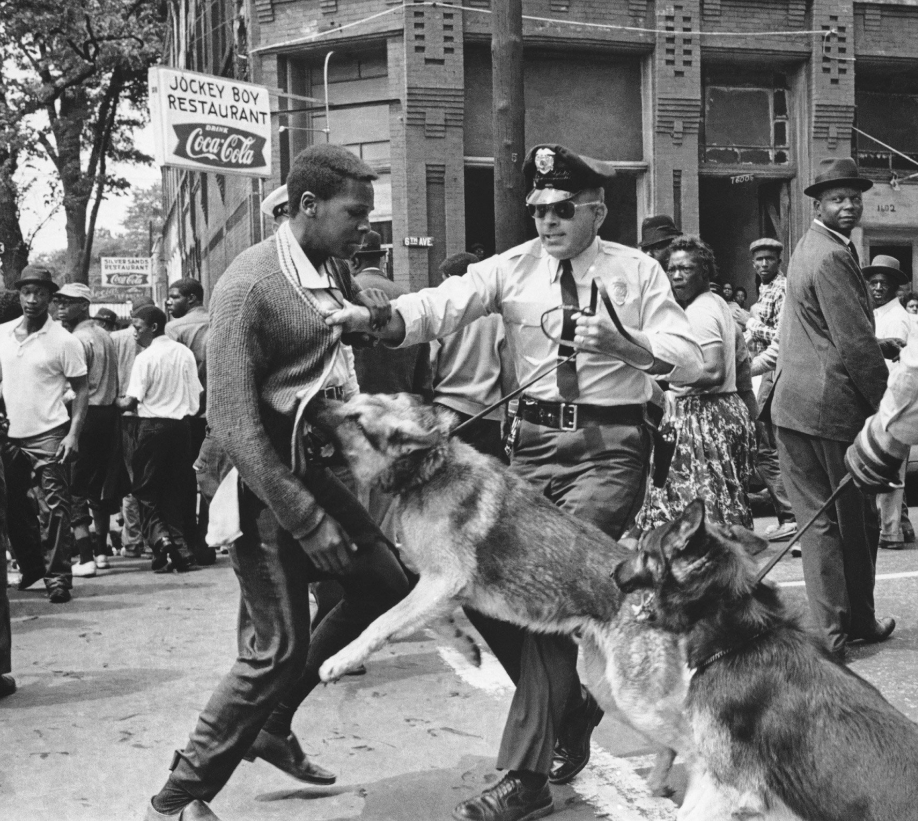
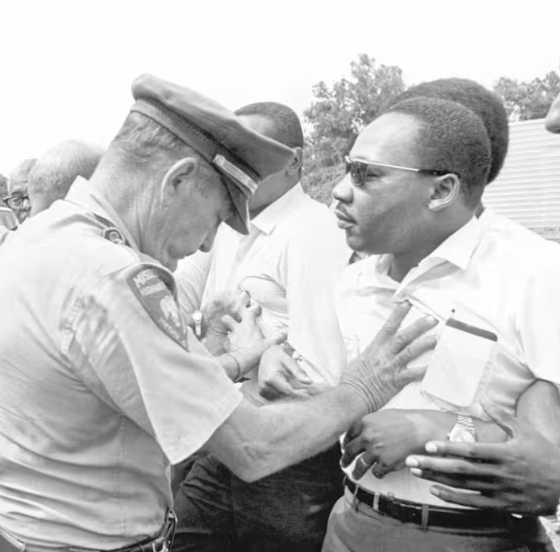
When activist choose non-violent strategies to confront social injustice, they are not choosing a peaceful means of expressing themselves. Rather, they are willingly placing their bodies in harm’s way by provoking the violence inherent in the systems they are confronting, especially the violence of the state, while at the same time refusing violence themselves. It’s understood by such activists that they are likely to get their asses kicked. Even killed. Yet their goal is to expose the violence of the system by being conspicuously non-violent in its face.
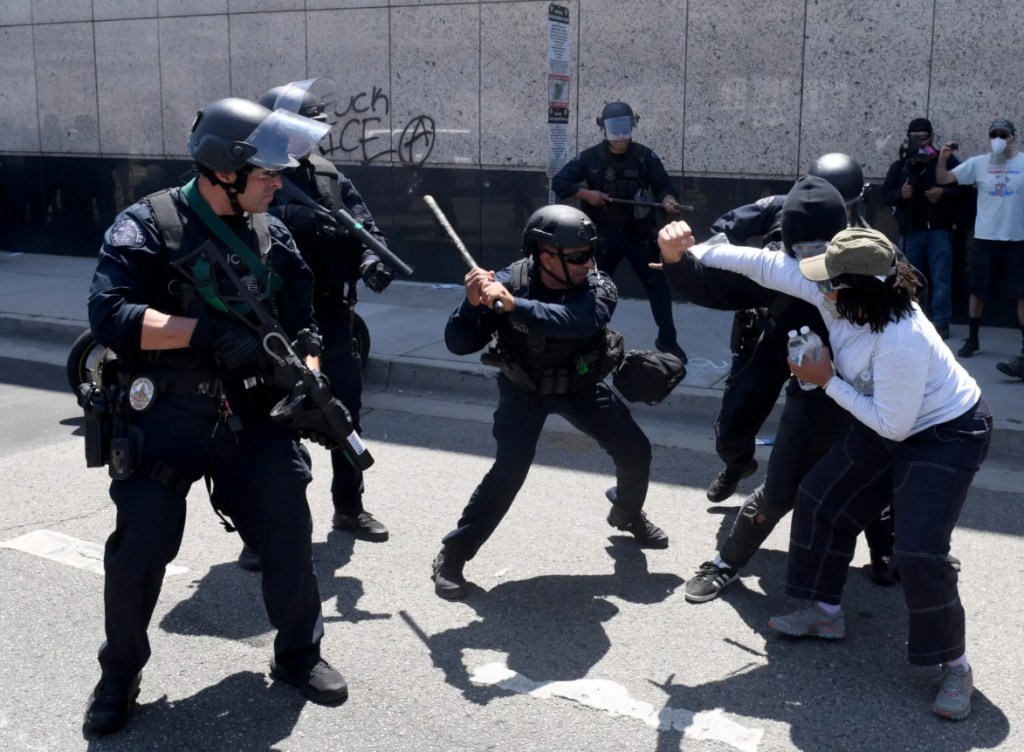
This is a method that requires a great deal of personal discipline. Imagine having to submit to a police officer, or a bully on the street beating you with a baton or a club without fighting back, and without running away. Such an activist must fight against every primal instinct.
In the process, King’s non-violent protesters intentionally disrupted social norms and civic functioning. They marched without permits. Blocked traffic, disrupted businesses with sit-ins. Activists intentionally marched into cities and neighborhoods they knew would respond violently. Their actions often clogged up the court systems and filled the jails, making further law enforcement impossible. When the police in these cities responded with violence, beating protesters with clubs, sicking dogs on them, spraying them with firehoses, this was no surprise. It was not unforeseeable. Indeed, the protesters were counting on exactly this kind of response so they could collectively expose the very violence that they were all subject to individually every single day.
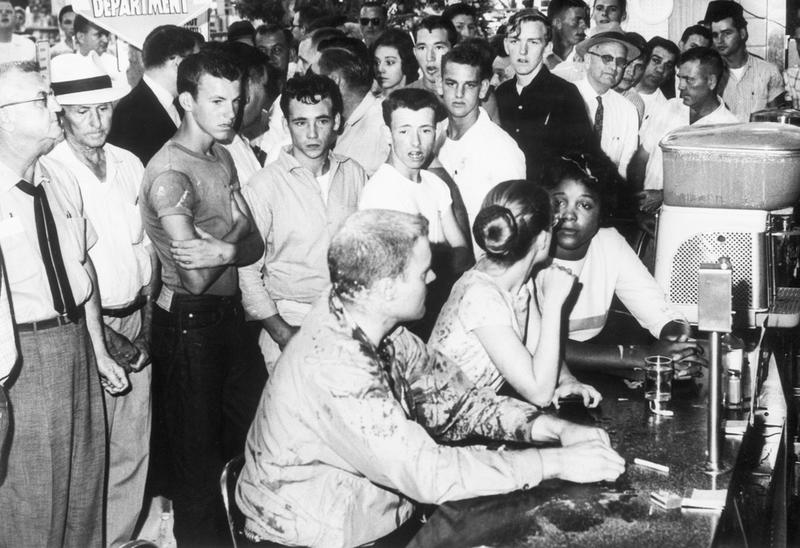
King understood the consequences of his strategy. “Nonviolent direct action seeks to create such a crisis and foster such a tension that a community…is forced to confront the issue.” He and his fellow activists were willing to take these beatings, to be bitten by dogs, to go to jail toward the goal of revealing the underlying cruelty of racism, segregation, and poverty.
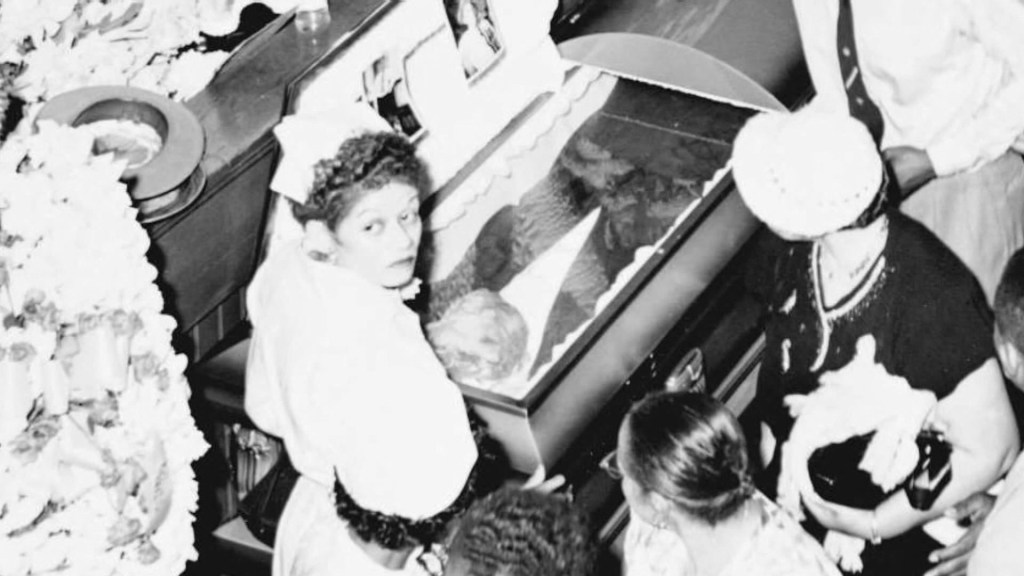
That being said, his strategy was not merely to educate the liberal white folks in the country as to the brutality that was happening right under their noses. Come on! Even the most segregated white liberal knew about lynching, about sundown laws, paper bag tests. The whole world saw what happened to Emit Till. They weren’t ignorant. They didn’t need educating. They needed a kick in the ass to do something.
And the bigots and segregationists were also the targets of King’s non-violence. By targeting racism from Birmingham to Memphis, from Montgomery to Chicago, the movement hoped to force, to coerce, otherwise happy bigots to accept change. They would accept change not because it would be revealed to them that it was the morally right thing to do. They would accept change, or they wouldn’t be able to conduct business as usual. They wouldn’t be able to get on with their lives. We will throw sand into the gears of every mechanism you rely on to make these changes.
This was not a peaceful nor passive process.
King was Widely Hated and Feared
Today we celebrate Dr. Martin Luther King Jr. as one of the greatest men in American history. He has his own holiday. Congress Critters on both sides of the aisle pay him and his movement homage in speeches and, of course, Tweets, as a matter of civic religion. We have this hagiographic understanding of Dr. King as an American saint who contributed to the nation’s canon with his peaceful focus not on color, but on character.
What’s not to love?
Yet in his time, most people hated him.
Public Perceptions
It’s true that Martin Luther King enjoyed a certain amount popularity in the beginning of his movement. It looked like he was targeting unjust laws in the South. That was worth applauding. Everyone knew how bigoted Southerners were, so the non-southerners were willing to offer some muted applause.
Then King said, ‘oh, you Northern Liberals think you are above reproach. You think this is just about a smattering of Southern bigots who can’t get it through their heads that the War Between the States is over. You are sorely mistaken.’ Once King started pointing at the very systems of power that everyone took for granted, everyone got nervous. When he demonstrated in Chicago and reminded everyone that bigotry wasn’t exclusive to the Bull Connors of Birmingham, Northerners were aghast. When he called out the White Moderates, and Liberals who advised caution and patience, he pissed them off.
He even pissed off an otherwise sympathetic President of the United States when he criticized U.S. involvement in Vietnam.
King even riled members of the black community and even other civil rights activists. Some accused him of being too radical and moving too fast. Others accused him of not being radical enough and moving too slow. Others were skeptical of his emphasis on non-violence.
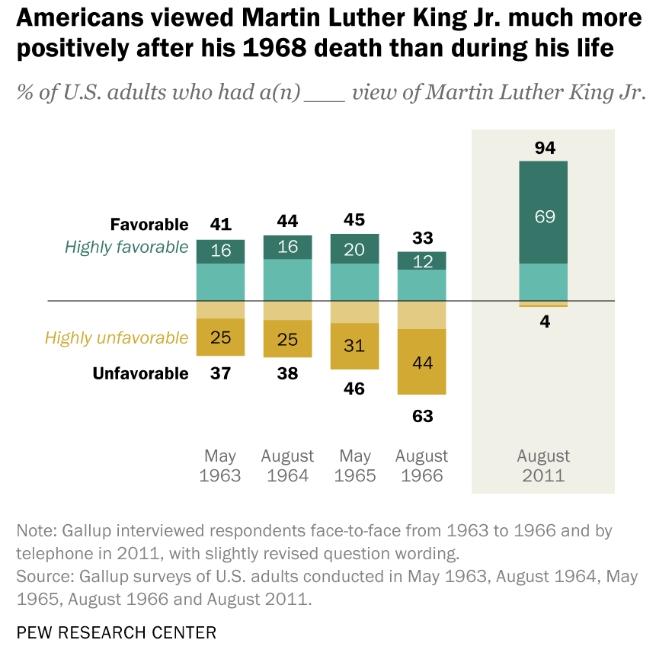
Today’s American Saint Martin was, in his own time, flagellated from left, right, and center, by whites and blacks. He managed to piss off a wide swatch of people in his drive to create a world where people would be judged on the content of their character. According to Smithsonian Magazine, “…the man whose half-century of martyrdom we celebrate this week died with a public disapproval rating of nearly 75 percent…” According to Newsweek, “A 1966 Gallup poll found that almost two-thirds of Americans had an unfavorable opinion of Dr. King and a third had a positive opinion, a 26 point unfavorable rate increase from 1963.”
State Surveillance
Among the institutions that hated Dr. Martin Luther King Jr the most was the United States government. And this was a bipartisan disdain by conservatives, moderates, and liberals. Consequently, the Federal Government conducted surveillance and disruption missions against Dr. King going back to 1955. This was part of a larger domestic intelligence program called COINTELPRO (Counterintelligence Program) that the federal government empowered “to expose, disrupt, misdirect, discredit, or otherwise neutralize the activities of black nationalist, hate-type organizations and their groupings, their leadership, spokesmen, membership and supporters, and to counter their propensity for violence and civil disorder.”9 This was a program formally started under the moderate President Dwight D. Eisenhower10, headed by right-wing J. Edgar Hoover, and escalated by liberal Attorney General Robert F. Kennedy. There was a consensus in Washington that activists like MLK were akin to terror groups like the Ku Klux Klan and radical organizations like the Communist Party of the United States (CPUSA).
It was the latter connection, namely King’s radical political beliefs, that Washington leaders used to justify turning the lens of the state onto this outspoken Alabama pastor. King was followed by FBI agents. The FBI concealed wire taps in King’s home and office and placed microphones in his hotel rooms. In fact, after Dr. King’s famous I Have a Dream speech in Washington…you know, the one everyone celebrates…William Sullivan, the head of the FBI’s Domestic Intelligence Bureau declared, “We must mark [King] now…as the most dangerous Negro of the future of this Nation from the standpoint of communism, the Negro and National security,”
Because judging people on their character is dangerous, radical stuff.
The FBI went beyond intelligence gathering, however. It attempted to directly influence and neutralize the growing civil rights movement, including that led by Dr. King and the Student Nonviolent Coordinating Committee (SNCC) and the Southern Christian Leadership Conference (SCLC). They promoted the spread of misinformation. Part of their strategy was to leak false information in an attempt to break up alliances between civil rights groups. Finally, the FBI tried to use blackmail.
King was the target of one of the FBI’s most notorious attempts to blackmail an activist. In 1964, King and his wife, Coretta Scott King, received an intimidating package. The package contained a letter reporting to have evidence of MLK’s alleged extramarital affairs.11 The letter appears to threaten King with exposure unless he killed himself. “There is but one way out for you. You better take it before your filthy, abnormal fraudulent self is bared to the nation.”
King and his advisors assumed the letter came from the FBI. Clearly, King did not commit suicide, and the alleged damaging materials were not made public. His suspicions about the FBI, however, were confirmed more than a decade later. Under the shadow of Watergate and the Pentagon Papers, the Senate set up a select committee to investigate allegations of abusive domestic surveillance and espionage. Known as the Church Committee, after its Chairman Senator Frank Church, this body revealed the slimy underbelly of American domestic intelligence, including violations against the civil rights of prominent activists like King and many others. A draft of this letter was found among the files delivered to the Committee from the FBI. A broad domestic intelligence and espionage program was just one more revelation in a long string of government abuses revealed in the late 1960s and 70s.12
Conclusion King Was Complicated
On April 4, 1968, The Reverend Dr. Martin Luther King Jr, stepped onto the second-floor balcony of his hotel room in Memphis, Tennessee. He was in town to support a sanitation worker’s strike. He was speaking with some colleagues standing below when a single shot rang out. King was struck in the neck and collapsed. He was rushed to St. Joseph’s Hospital where he was pronounced dead at 7:05 pm.
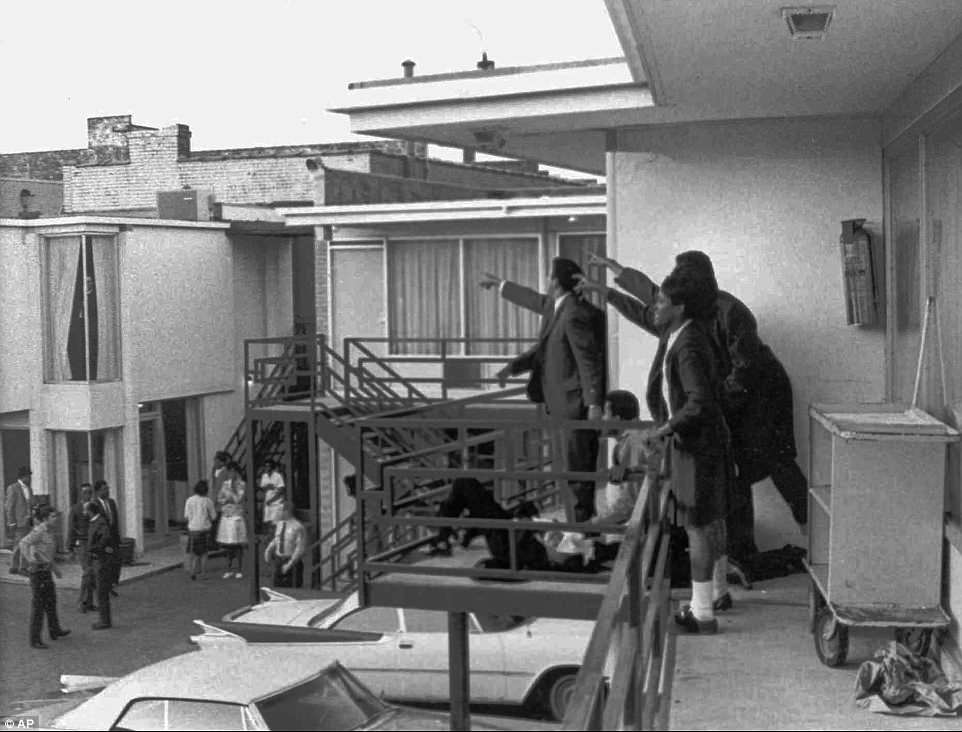
King was killed by a man named James Earl Ray. Though Ray was an ardent segregationist, he was not a political or partisan activist. Rather, he was an habitual loser and career criminal who was staying at the boarding house across the street from MLK’s hotel room. Ray as arrested in London and extradited to the United States. He plead guilty in order to avoid a trial and was sentenced to ninety-nine years. He later recanted his confession and claimed to have been manipulated into assassinating King. Because there was no trial, and the government was not exactly an honest broker when it came to Martin Luther King, speculation continues, including from the King family itself, that Ray was part of a larger conspiracy to take the great civil rights leader out.
That night, in Indianapolis, presidential candidate and erstwhile King persecutor Robert F. Kennedy was holding a campaign rally in a predominantly black neighborhood. When he learned of King’s assassination, against advice, he decided to inform the unaware crowd and address the underlying anger. He spoke almost extemporaneously from some hastily written notes as a man who had lost his own brother to an assassin’s bullet. “Martin Luther King dedicated his life to love and to justice between fellow human beings. He died in the cause of that effort. In this difficult day, in this difficult time for the United States, it’s perhaps well to ask what kind of a nation we are and what direction we want to move in.” He went on to say, “What we need in the United States is not division; what we need in the United States is not hatred; what we need in the United States is not violence and lawlessness, but is love, and wisdom, and compassion toward one another, and a feeling of justice toward those who still suffer within our country, whether they be white or whether they be black.” We would be well to remember these words.
Indianapolis was one of the few major cities that did not experience violent rioting after King’s assassination.
Almost exactly two months later, Robert F. Kennedy was assassinated in Los Angeles after announcing his victory in the California Democratic Primary.
Almost immediately after King’s assassination there was public outcry for a national holiday in his honor. Democratic Senator John Conyers and Republican Senator Edward Brooke wrote the legislation and introduced it to Congress. It was voted down because legislators considered King “too divisive” a figure to honor with a national holiday.
It took fifteen years before Martin Luther King Day was enacted.
Martin Luther King Day was signed into law on November 2, 1983 by Republican President Ronald Reagan. Reagan himself opposed the legislation but faced a veto-proof majority in Congress. Reagan’s signing statement is often seen as the first step in reframing King’s legacy as one of colorblind national unity, judging each other by the content of our character. As the Boston Review pointed out, “The inaccurate conflation of King’s activism with the ideology of colorblindness—in which ignoring race is positioned as the only way to end racism—began in earnest during the Reagan administration.” Sociologists and psychologists have since shown that a “colorblind” approach to racial relations more often leads to perpetuating racism. “…color blindness is far from a panacea, sometimes representing more of an obstacle than an asset to facilitating constructive race relations and equitable race-related policies.”
Reagan admitted that “traces of bigotry still mar America…” his speech signaled that the Voting Rights Act and the Civil Rights Act had ended American racism.
Problem solved.
He then worked to dismantle all progress made in the interest of racial and economic justice. He cut social welfare, opposed affirmative action, and expanded the military to the point of creating the largest peacetime federal deficit in U.S. history up to that time. After all, the time to look at racial disparities was over. People need only be judged based on the content of their character. That’s what Martin Luther King said. We’ll just completely ignore the way race and racist assumptions shape how we perceive the content of one’s character.
Look, making a holiday out of a single person’s life is inherently fraught. Human beings, and the historical context in which they live, are often much more complicated than the icons of the heroes whom we lift to the top of our pedestals. Up on that pedestal, it’s difficult to see the flaws, the nuances, the contradictions, the suffering, and the internal machinations that lifted them to that position in the first place.
Dr. King is no exception.
Is a world in which we are all judged based on the content of our character rather than the color of our skin a laudable goal?
I mean, it sounds good. It’s hard to argue with. It’s a phrase we can all agree on at least on a surface level.
Character is a pretty complicated thing, however. Understanding the content of one’s character requires open and empathetic communication between people and groups that may be shrouded in historically and socially reinforced animus. It means listening to those we fear, we distrust, we disdain, with an open mind and a tolerance for what makes them different. Human beings do not reveal the content of our characters so easily as we show our own skin. Such a world that looks for character can only do so if we confront the assumptions and stereotypes, the hundreds of years of history, of exploitation, of abuse, of hatred that is inferred by the color of our skin.
That was the challenge that Martin Luther King Jr, put before us. Yes, it will be nice when we reach the age in which we can all join multi-colored hands and sing Kumbaya in diverse languages and voices with nothing but peace in our hearts. That’s a great dream. We will never get there, however, until we confront the injustices that are embedded in our culture, in our society, in our economy, and in our politics. King’s legacy was not one of passively pleading for justice, but rather a direct confrontation with the ugliness of oppression in such a way that preserves the ethereal tendrils of human dignity.
If we are to remember Martin Luther King Jr, recognizing the enormity of the challenge he put before us must be part of that process.
Footnotes
- There’s good reason to do this. MLK’s first bachelor’s degree was in sociology from Morehouse College. So, sociology would certainly have influenced his understanding of racism. ↩︎
- King reference Thomas Aquinas. This is significant to current discourse in many ways. A lot of White Nationalists, or Eurocentrists bemoan how European Culture is somehow being disregarded or disdained. But here’s King referencing one of the core philosophers of European Christian culture, Thomas Aquinas, and his concept of Natural Law that goes back thousands of years in European culture. Natural Law is that which promotes the common good while respecting human dignity. It is the natural expression of reason being applied to human relations. Humans acting on reason will automatically align with natural law. When natural law is violated, rational human beings can tell. ↩︎
- Which begs the debate, why should resisting arrest be a capital offense, and why should police have the power to impose that penalty. ↩︎
- There are too many studies to cite. Click here for a good source. ↩︎
- King, Martin Luther, Jr. 2015. The Radical King. Edited and introduced by Cornel West. Boston, MA: Beacon Press. ↩︎
- It’s beyond the scope of this essay to elaborate what Democratic Socialism is in detail. Socialism in general is the belief that workers should control the means of production collectively. Democratic Socialism claims that this can be accomplished through democratic means, reforms, redistribution, organizing. Marxists, in contrast, believe more revolutionary tactics must be used to overthrow capitalism and intentionally institute communism, or the communal control over the factors of production without a state, money, or class. ↩︎
- King, Martin Luther, Jr. 1967. Where Do We Go from Here: Chaos or Community? Boston, MA: Beacon Press. ↩︎
- As you can see from the link, this campaign is still ongoing. ↩︎
- The rhetoric sounds kinda familiar. ↩︎
- Though its predecessors go back to Franklin D. Roosevelt ↩︎
- This particular file among others is scheduled to be released next year. ↩︎
- It’s easy to dismiss the revelations of the Church Committee as something that happened during that crazy time in the past. Yet revelations of abuses by the intelligence state continue to surface. See Iron Fist, FISA, Black Lives Matter, and Edward Snowden just to get started. ↩︎
 Mr. A's Underground Classroom