

An Introduction to Sociology: The Sociological Perspectives
Prologue
When those in power don’t want you to study a particular subject…that’s the very subject you need to study the most. Here in Florida, sociology as a discipline has come under attack by our political elite. For good reason. Sociology offers the best, systematic critique of social power arrangements and hierarchies. Understandably, those who benefit from such arrangements and hierarchies might rather you didn’t critique it!
But sociology is so much more than that. The truth is that every human being must learn to navigate the social world. This means that every human being is a sociologist to a certain extent. The better sociologists they are, the better they can navigate. Therefore, sociology is one of the most important social sciences.
In sociology, you will learn to draw from many academic fields, including history, economics, philosophy, and the humanities, as well as the so-called “hard sciences” of physics, chemistry, and biology. Sociology is a really challenging and fulfilling academic discipline. Enjoy.
Sociology Texts
Sociology: Understanding and Changing the Social World
Lumen Learning: An Introduction to Sociology
Teacher Resource: ASA An Introduction to Sociology
Saylor Acadamy Introduction to Sociology SOC101

Lesson 1: What is Sociology
Lecture 1: What is Sociology (Test Version)
Materials
Nathan Palmer: Four Sociological Questions
What is Sociology? A summary of the Sociological Imagination and major perspectives
Activities
Note on Activities: I always graded based on what I called The Three C’s
Lesson 2 A Brief History of Sociology
Lecture 2: A Brief History of Sociology [Text Version]
A Brief History of Sociology Presentation
Materials
Activities
Lesson 3 Through the Eyes of a Sociologist
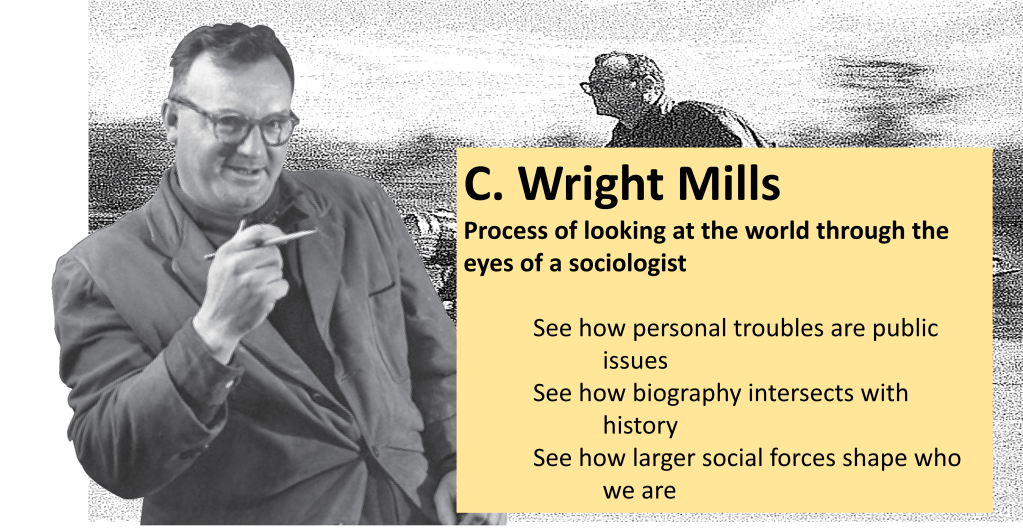
Lecture 3 Through the Eyes of a Sociologist [Text Version]
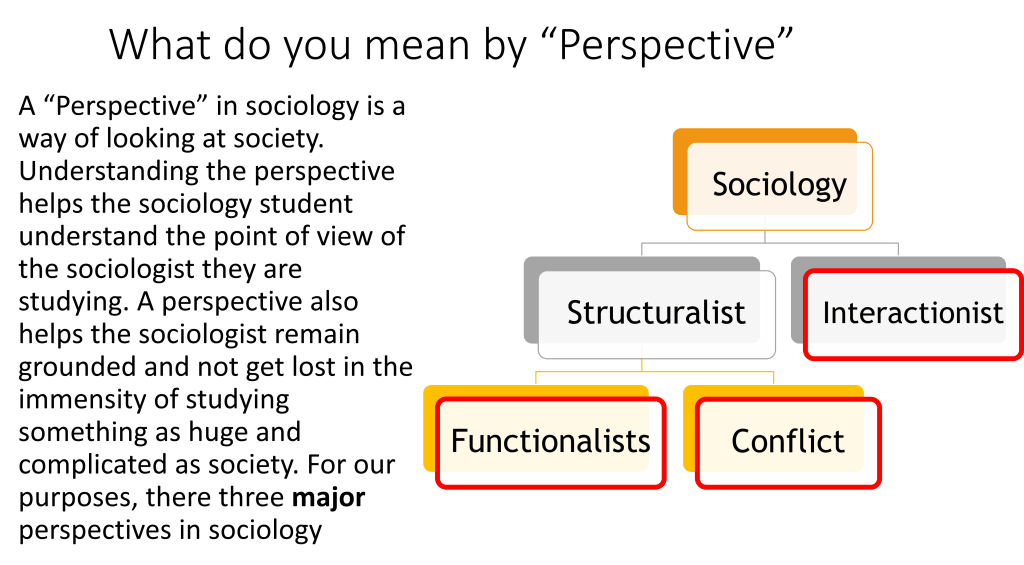
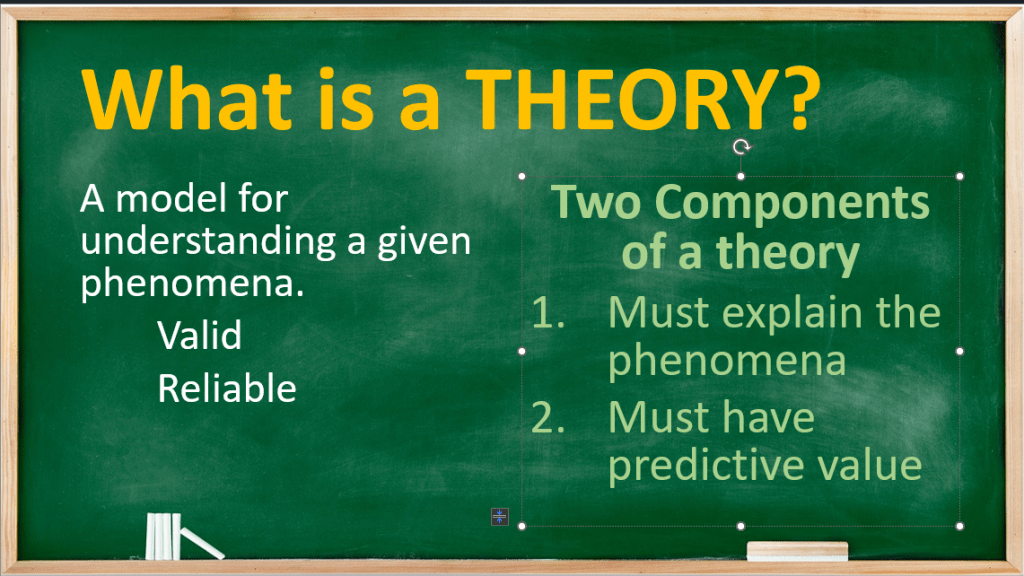
It’s important for the student to understand how sociologists approach a topic. This is a good time to introduce them to the concept of a “Perspective” or a larger approach with established assumptions that a sociologist may use to approach a subject of study, and a theory, a testable model for understanding a phenomenon.
Materials
Some kind of media (Print, Video, Audio, Visual)
Activities
Lesson 4 The Functionalist Perspective
The Functionalist Perspective is the first of what we refer to as a Structuralist Perspective. In other words, the focus is on larger social structures and “big picture” phenomena and their impact on human behavior. In this case, structuralist sociologists will focus on how larger social structures shape human behavior in aggregate. From this kind of approach it is possible to make predictions about groups of people rather than individual people. We may be able to predict how the citizens of a nation will respond to an election on average. We will not be able to predict how a single individual may respond to the same election.
Lesson 4 The Functionalist Perspective [Text Version]
The Functionalist Perspective Presentation
Activities
Supplemental

Taking Notes
Taking notes is key, especially if you are taking this class for a big exam at the end of the year, like the AICE Sociology Papers. Here you have been introduced to your first theories. In this course, you will be exposed to a lot of theories. It’s a good idea that you know the theories, the major theorists involved, and the strengths and weaknesses of the theories. Here is a great note-taking template to use to create a great study guide. Click Here
Lesson 5 The Conflict Perspective
The next Structuralist Perspective is a challenge to the Functionalist Perspective. The AICE teacher will want to draw a clear distinction. All AICE Sociology Papers are designed to address a debate in sociology. Arguably, the most central debate in sociology is that between the Functionalist Perspective and the Conflict Perspective, or what can be referred to as the debate between Consensus and Conflict Models.
Activities

The Problem with Marx
Teaching Karl Marx’s theories may lead to some pushback. To mitigate this, focus should be on Marx’s Social/Economic Theories and their influence on the Conflict Perspective. You are not advocating for Marxist “Politics.” It’s also important that anyone with concerns should know that you intend to cover the strengths and weaknesses of Marxist Theory.
Lesson 6 The Interactionist Perspective: Symbolic Interactionism
Lesson Opener: Kissing and a Confused Martian

Your friend is a Martian. He has come to Earth to study human behavior. He has observed a ritual by which one human being appears to be eating something out of another human being’s mouth. He’s really confused. Please explain this strange behavior to him. What is going on? Why do humans do this? What are the rules for this weird behavior?
Structuralist perspectives are a powerful tool for understanding the influence of larger social forces on aggregate human behavior. Unfortunately, they are not particularly good at helping us understand the lived experiences of these structures. We may study racism, or capitalism, and get a big picture understanding of these “isms,” but what does it look like and feel like to live in a racist society or a capitalist society, or a capitalist society imbued with racism? How is that experience different for people of different races, genders, classes?
To understand this element, sociologists took up the gauntlet cast down by Max Weber’s concept of Verstehen to study the lived experience. In the United States, this project emerged as the Symbolic Interactionist school of sociology.
Activities
Lesson 7 The Interactionist Perspective: Phenomenology, Ethnomethodology, and Exchange Theory
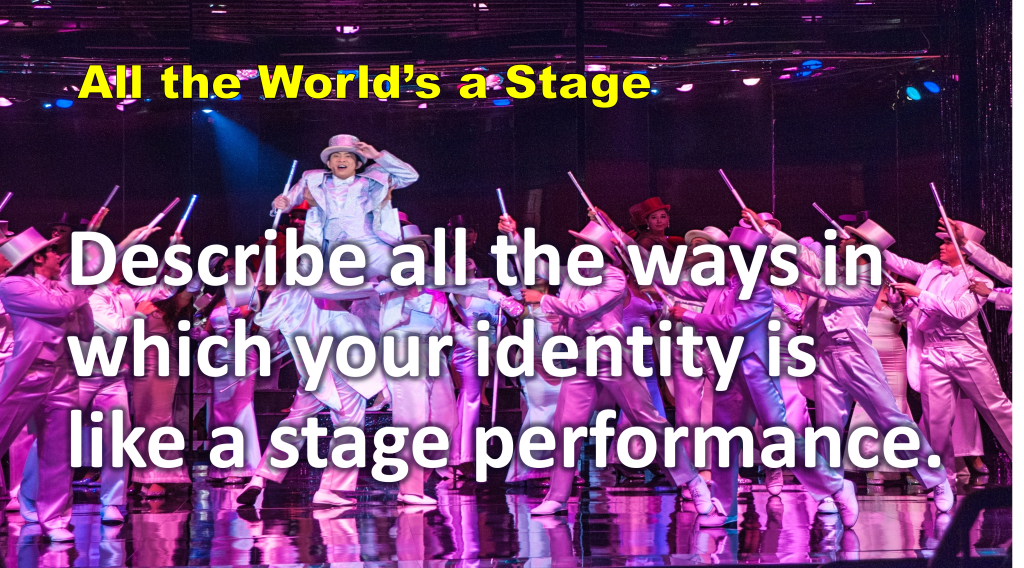
Symbolic Interactionism is a powerful tool for understanding human behavior and identity, but it is not the only Interactionist approach. Related approaches include Phenomenology, Ethnomethodology, and Exchange Theory.
Phenomenology: Focuses on how social reality, how we see the world, is constructed and reproduced through human interaction. Again, it flips the script on Structuralist approaches. Instead of looking at how institutions shape human behavior, the phenomenologist looks at how institutions are formed through shared meaning of those who interact within the institution.
Ethnomethodology: Like phenomenology, Ethnomethodologists see social reality as produced “methodically” through social practices engaged in by individuals interacting. These methods of interaction produce an understanding of shared experience. A common feature of Ethnomethodology is Breaching Experiments
Exchange Theory: This is an economic style theory that looks at social interactions in terms of individuals deriving benefits and minimizing costs in their relations with others.
Activities
Lesson 9: The Feminist Perspective
Lessons 9 and 10 offer a description of what I call the “Critical Perspectives.” In other words, they largely conform to at least one of the perspectives above, but in doing so, they offer a critique of all the above perspectives. Many of your Introduction to Sociology textbooks will wrap these two perspectives into the main three, and that’s fair. I think they deserve a treatment of their own.
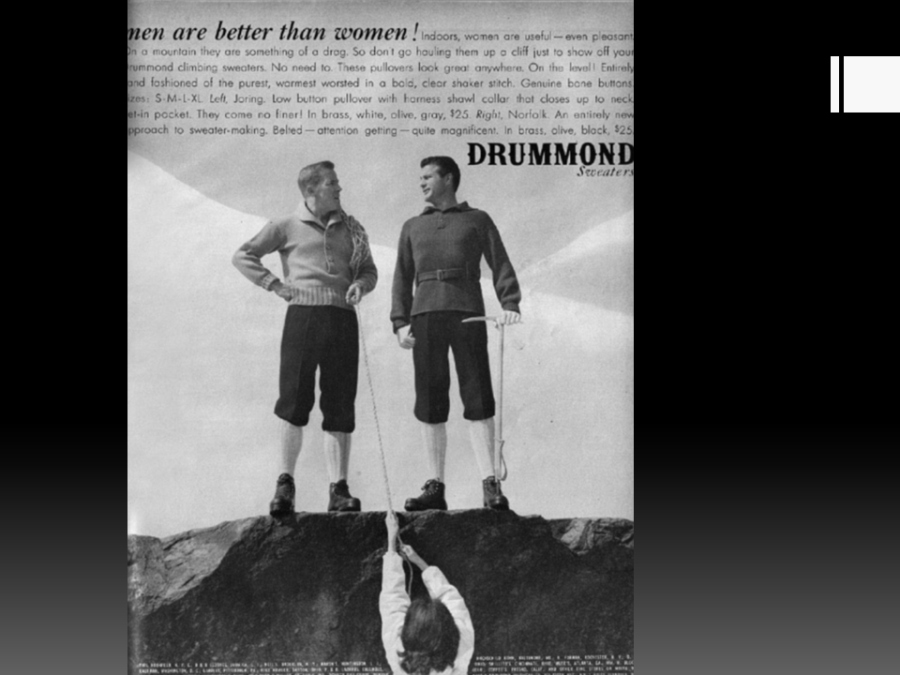
The first of these critical perspectives draws mostly from the Conflict Perspective. However, sociologists working in this frame point out that there is a huge hole that must be filled. Namely, the perspectives above tend to neglect the special perspective of women. They were almost exclusively framed by men, influenced by male theorists. This is a huge omission considering that woman constitute more than half of any given society, and throughout human history have been relegated to subordinate status. That means women have a “standpoint” that is unique from that of men.
Marxist Theory: Friedrich Engels: The Origin of Family, Private Property, and the State













Activities
Lesson 10: The Postmodernist Perspective
The last perspective in this lecture series is Postmodernism. Again, this is what I refer to as a Critical Perspective because it is targeting a perceived shortcoming of the three main perspectives, Functionalism, Conflict, and Interactionism.
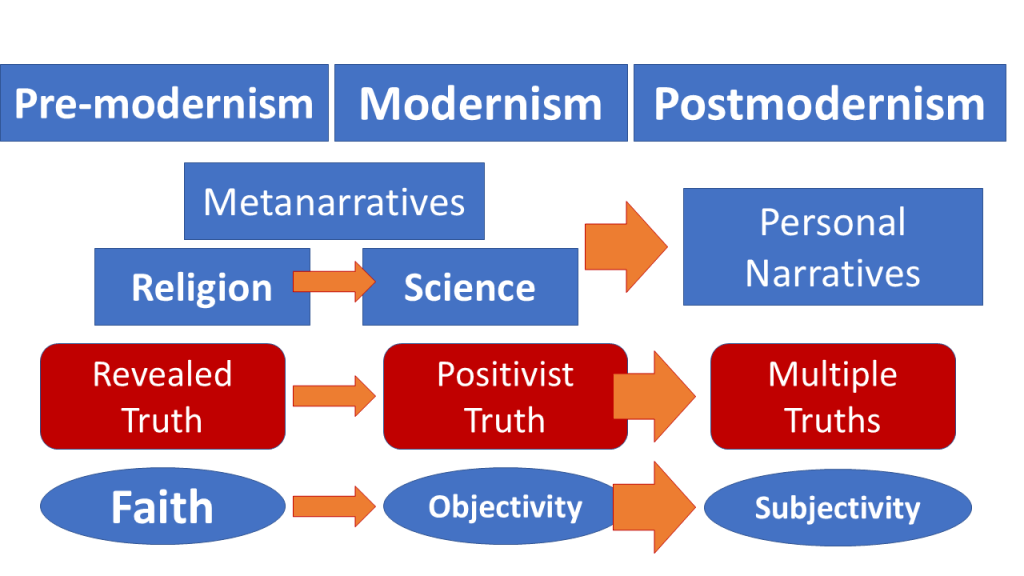
The critique made is that the three main perspectives were all based on a Modern Society. Postmodernists, however, contend that we no longer live in a modern society defined by scientific rationality and industry. Instead, we are living in a postmodern society defined in terms of irrationality and fragmentation. In Pre-Modern Societies, religion was the formative institution shaping the larger society. In modern societies, economic and state institutions took the place of religion. In postmodern society it is media that dominates.
Now, there are plenty of sociologists, myself included, who believe that we have not yet abandoned the modern world…at least not yet. Regardless, postmodernism has some interesting things to say.
Supplemental Presentation: Postmodernism and Culture
Supplemental Presentation: Governmentality
Activities

Reviews
Review 2: Structuralism vs. Interactionism
Review 3: Consensus vs. Conflict Models
Review 4: Social Order vs. Social Control
Questions
If you have questions or comments on the material covered on this page, please use the contact for below.


 Mr. A's Underground Classroom